

We produce technical studies that underpin permitting, authorizations, and other regulatory processes.
Our multidisciplinary team brings together biologists, geologists, and engineers to characterize the physical, biotic, and socioeconomic environment. The studies follow the guidelines of the environmental agencies and the best technical practice for each discipline.
Services in this area.
Environmental diagnostics
Characterization of the physical, biotic, and socioeconomic environment of the study area.
Environmental impact study (EIA/RIMA, environmental impact assessment/report)
Assessment of impacts and control measures for developments with significant impact.
Baseline studies (PCA, PBA, RCA, RAS, and others)
Preparation of the studies required according to the type and scale of the development.
Technical reports (vegetation, fauna, geology, hydrogeology)
Specialized surveys and reports based on primary field data.
Environmental projects and programs
Design and management of monitoring, offset, and restoration programs.
A four-step approach
Every project goes through the same four steps, adapted to the complexity and regulatory context of each development.
Understanding
We map the demand, the regulatory context, and the project's risks.
Diagnosis
We gather field data and the necessary technical basis.
Solution
We develop the technical approach suited to each case.
Oversight
We manage the process before the agencies and in the field through completion.

Related technical analyses.
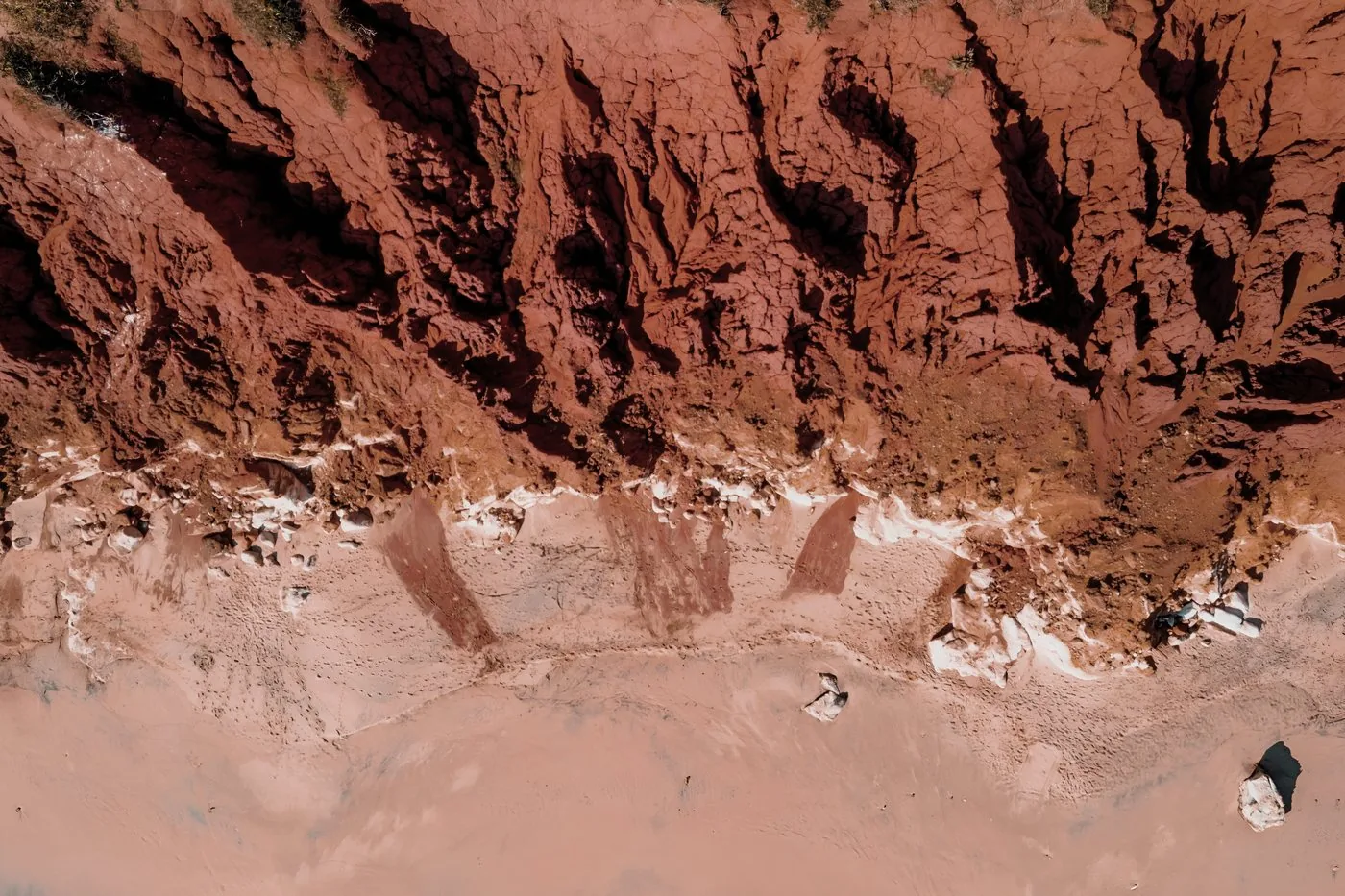
From baseline to license: what makes an environmental study technically defensible
An environmental study does not become defensible by amassing many maps and field campaigns. Its quality depends on connecting data, impacts, measures, and follow-up in a traceable chain of reasoning.
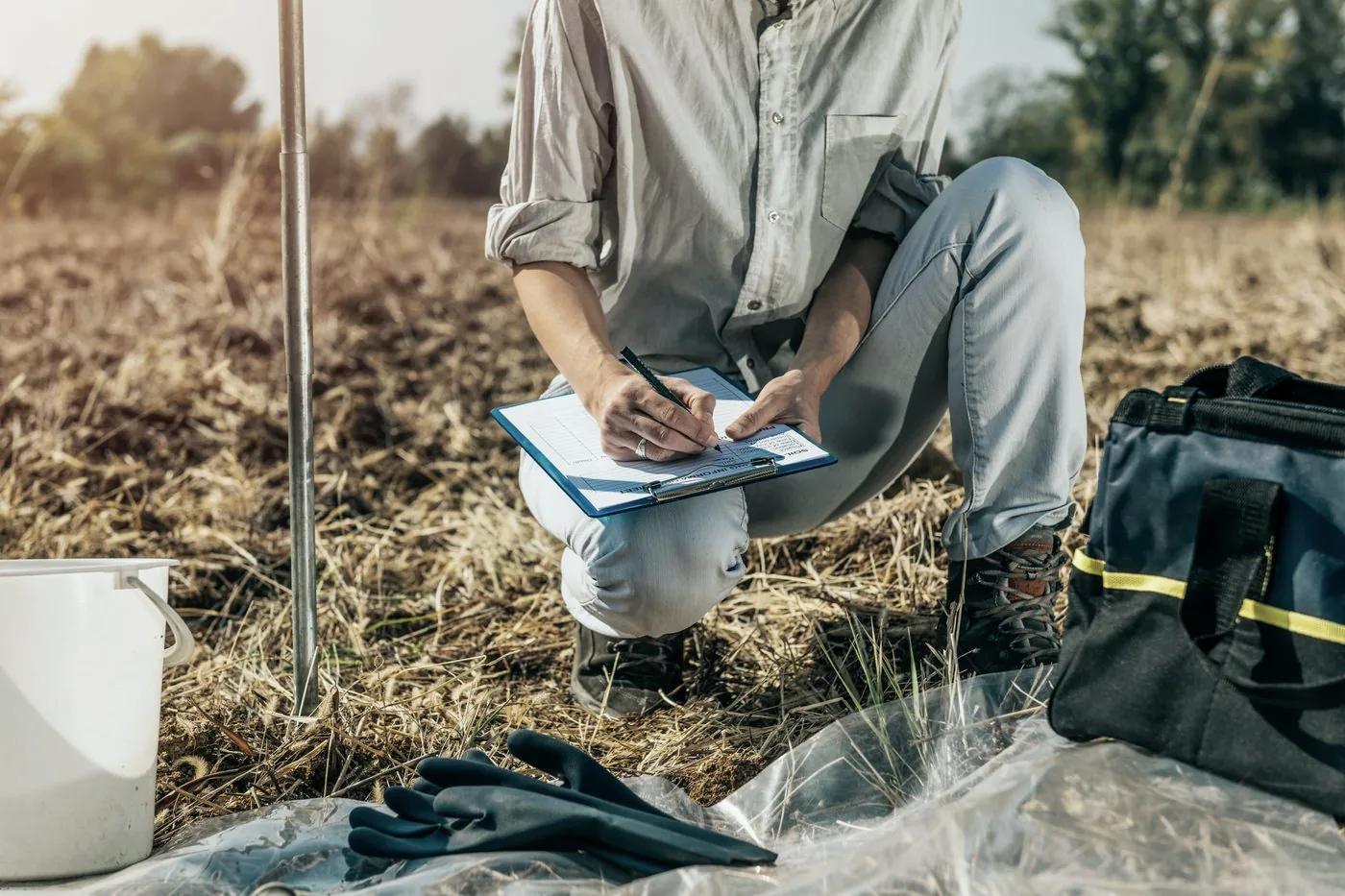
Sediment translocation: a successful annual fish conservation project
Two years of monitoring confirm it: sediment translocation with an egg bank restored three threatened annual fish populations after the drainage of a temporary wetland, with results published in the journal Restoration Ecology.
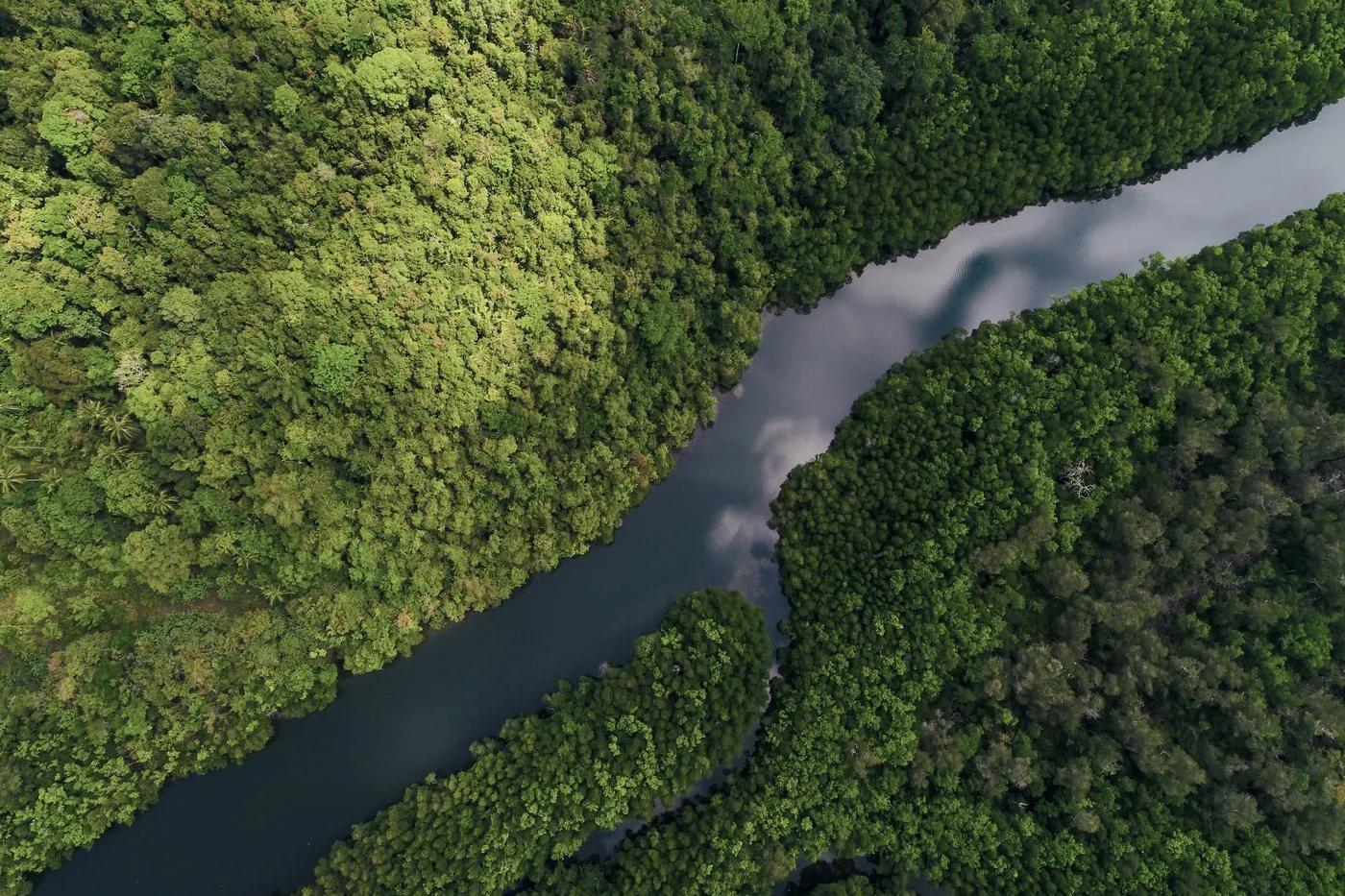
The 2024 floods and the responsibility to revise cities’ hydrological references
The 2024 floods in Rio Grande do Sul tested data, models, and infrastructure all at once. Understand when and how to technically revise a hydrological reference, without turning an isolated event into a new universal rule.